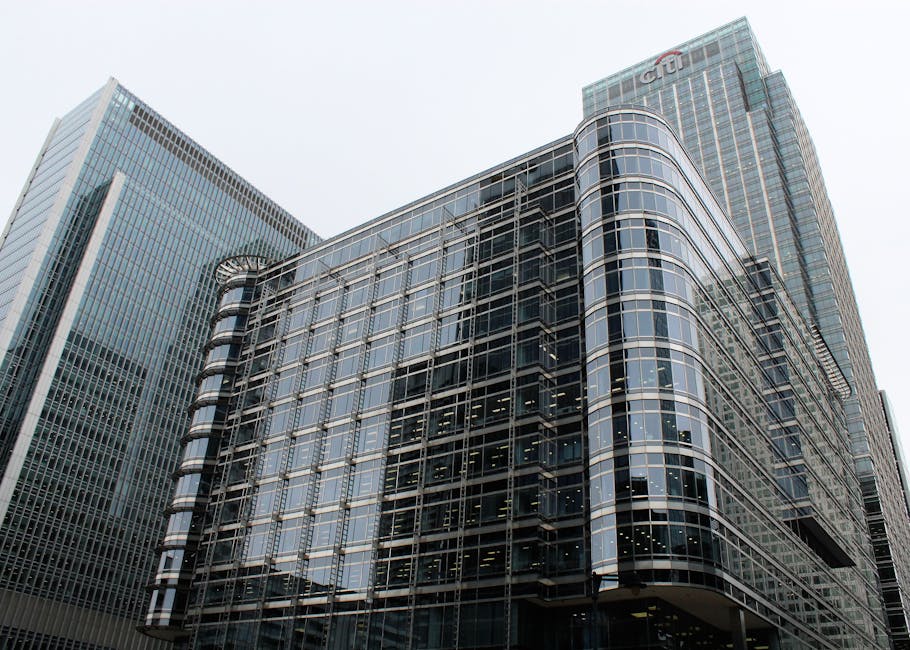
One Canada Square Window Cleaning and Facade Care: A Practical Guide to Keeping a Landmark Tower Looking Its Best
One Canada Square window cleaning and facade care is not just about making glass sparkle for a day. It is about protecting a landmark building, preserving its appearance in a busy commercial district, and keeping maintenance work safe, planned, and professional. If you have ever looked up at a tower like this on a grey London morning and noticed how quickly the windows pick up traffic film, weather streaking, and general grime, you already understand the challenge. The scale is enormous, the access is technical, and the standard has to be high.
In this guide, we will break down what the work involves, why it matters, how it is carried out, and what good practice looks like in the real world. We will also cover common mistakes, sensible safety expectations, and the kind of detail people often miss until a finish starts to look tired. If you are comparing options, planning a maintenance schedule, or simply trying to understand how facade care works on a building of this size, you are in the right place.
Table of Contents
- Why One Canada Square window cleaning and facade care matters
- How the work works in practice
- Key benefits and practical advantages
- Who needs this and when it makes sense
- Step-by-step guidance
- Expert tips for better results
- Common mistakes to avoid
- Tools, resources and recommendations
- Law, compliance, standards and best practice
- Options, methods and comparison table
- Case study or real-world example
- Practical checklist
- Conclusion
- Frequently asked questions
Why One Canada Square window cleaning and facade care Matters
Buildings like One Canada Square are judged from a distance and up close. From far away, a clean facade reinforces the presence of the tower in the Canary Wharf skyline. Up close, clear glass and a well-kept exterior affect the experience of everyone who works in, visits, or manages the property. Smudges, mineral staining, bird mess, dust build-up, and weather residue may seem minor on one pane, but on a tall, repetitive facade they become visually obvious very quickly.
Facade care also matters because modern exterior systems are not just decorative. Glass, seals, cladding, frames, joints, and fixings all contribute to performance. If contaminants are left in place too long, they can cause staining or make early signs of wear harder to spot. That does not mean every clean is a repair job. It simply means maintenance is doing two jobs at once: presentation and preventative care.
There is a practical side too. In a district like Canary Wharf, buildings operate in a high-traffic, high-visibility environment. Pedestrian routes, nearby offices, transport links, and changing weather all affect how often exterior surfaces need attention. In our experience, the best outcomes come from treating facade care as part of a regular building maintenance rhythm, not as a panic response when the glass has already gone dull.
Expert summary: On a building of this scale, good window cleaning is only half the story. The real value comes from combining clean glass, careful facade inspection, and a schedule that prevents issues from snowballing.
How One Canada Square window cleaning and facade care Works
There is no single "one size fits all" method for a tower like this. The approach depends on the building envelope, access arrangements, weather conditions, and the type of contamination on the surface. Most professional work starts with a survey and risk assessment, because the access strategy matters as much as the cleaning solution itself. Safety first. Always. Sounds obvious, but on high-rise work, that part cannot be improvised.
Window cleaning may involve water-fed pole systems on reachable areas, rope access techniques, suspended access systems, or other specialist methods appropriate to the structure. Facade care can include washing, targeted stain removal, sealant checks, light restoration measures, and the removal of organic matter or atmospheric dirt. The aim is to clean effectively without damaging coatings, seals, finishes, or surrounding building components.
For a tower such as One Canada Square, the workflow is usually tightly planned. Teams coordinate access, weather windows, pedestrian safety, equipment checks, and communication with building management. If the facade includes different materials or finishes, each section may need a slightly different cleaning approach. That is one of the things people often miss. Glass and cladding might sit side by side, but they do not always want the same treatment.
It is also worth saying that a proper clean is not rushed. If the building has accumulated layered grime over time, the job may need a staged approach. One pass may remove loose soil, while a second pass handles streaking, staining, or stubborn residue. For some surfaces, a gentle method is better than a heavy-handed one. To be fair, "more aggressive" is not the same as "more effective."
What is usually assessed first?
- Access method and anchor points
- Weather conditions and wind exposure
- Glass type, coating, and frame material
- Cladding or facade finish
- Staining, oxidation, or mineral deposits
- Nearby public areas and traffic management needs
- Any signs of wear around seals, joints, or fixings
If a broader maintenance plan is being built around the tower, it can help to review related services such as facade cleaning and window cleaning as part of the same overall care strategy. That keeps the work joined up rather than fragmented.
Key Benefits and Practical Advantages
The most obvious benefit is visual. Clean windows change how a building feels immediately. Light travels better through the glass, interiors look fresher, and the whole exterior appears more cared for. On a tower, that effect is multiplied. A single neglected patch can make the rest look worse by comparison, which is a bit unfair, but that is how the eye works.
There are less obvious benefits too. Regular facade care can help building managers notice small issues early, such as seal deterioration, staining patterns, blocked drainage paths, or surface damage. Catching those signs sooner often means simpler maintenance later. That is one of those quiet wins that does not make a dramatic before-and-after photo, but absolutely matters in practice.
There is also a reputational gain. In Canary Wharf, presentation matters because the environment is polished, commercial, and highly visible. A clean exterior supports tenant confidence, visitor impressions, and the general sense that the building is being looked after properly. And yes, people do notice. More than they admit, probably.
Other practical advantages include:
- Improved natural light through cleaner glazing
- Reduced build-up of dirt that can become harder to remove later
- Better visibility of any developing facade issues
- A more professional appearance for tenants and visitors
- Better alignment with routine property maintenance planning
Who This Is For and When It Makes Sense
This type of service is relevant to building managers, property teams, facilities professionals, and commercial occupiers who want the exterior of a landmark tower kept in top condition. It also matters for landlords, managing agents, and maintenance coordinators responsible for keeping a building's appearance consistent over time.
It makes sense when the glass starts to show streaking, when weathering becomes visible from the street, or when stains have been left long enough to become stubborn. It also makes sense after construction activity, nearby works, or periods of heavier pollution and seasonal grime. Truth be told, London weather does not give surfaces much of a break.
For buildings with ongoing occupancy, maintenance windows may need to be planned around business hours, access restrictions, and tenant expectations. This is where a professional approach earns its keep. A good contractor will think about disruption as much as cleaning quality.
It can also be useful alongside other commercial cleaning needs. For example, if the broader site includes office interiors, periodic support from office cleaning or office cleaners may form part of a wider facilities programme. The exterior and interior should not be planned in separate silos if the goal is a consistent standard.
Step-by-Step Guidance
If you are trying to understand how a proper project should unfold, the outline below is a good practical reference. Real jobs can vary, of course, but the logic stays similar.
- Survey the building. Check the glass, facade materials, access routes, anchor points, weather exposure, and problem areas. This stage shapes everything that follows.
- Choose the cleaning method. The right approach depends on height, surface type, contamination level, and safety constraints. Not every surface wants the same process.
- Plan safety and access. Confirm the access equipment, working zones, exclusion areas, communication method, and any pedestrian controls.
- Prepare the surface. Remove loose dirt and identify any stubborn marks, mineral staining, or defects that need extra care.
- Carry out controlled cleaning. Use the chosen method carefully, working in manageable sections to maintain quality and reduce risk.
- Inspect the finish. Review glass clarity, streaking, residue, and any areas where stains or build-up remain.
- Note maintenance issues. Report visible wear, damaged seals, or anything that may need follow-up attention.
- Schedule the next visit. Regularity is the secret sauce here. A sensible cycle keeps the work easier and the building looking sharper.
A small but important point: good crews do not treat the task as "clean and leave." They close the loop by spotting issues and feeding that information back into building management. That is the difference between a service and a maintenance partnership, basically.
Expert Tips for Better Results
First, match the method to the material. Glass, aluminium, stone, coated panels, and seals all react differently. Harsh chemical use is not a badge of honour. Gentle, appropriate cleaning is usually the smarter choice, especially on premium facades.
Second, pay attention to weather. Wind, rain, and direct sun all affect drying and finish quality. A bright sunny day looks nice, but it can actually make streaking more likely on some surfaces. Slightly annoying, but true. Planning around weather windows matters more than people think.
Third, keep a regular schedule. Once grime hardens or mineral deposits settle in, cleaning becomes more labour-intensive. Preventative care nearly always gives a better finish than a rescue mission.
Fourth, look beyond the obvious. The glass may be clean while the frames, ledges, joints, or surrounding cladding tell a different story. Good facade care is broader than window washing. It is the whole picture that counts.
Finally, document what is found. Even simple notes about staining patterns or damaged seals can help identify recurring issues. That way, the building team can make better decisions next time. A tidy log, a decent photo record, and a sensible plan can save a lot of faff later.
Common Mistakes to Avoid
One common mistake is waiting until the facade looks obviously dirty. By then, light staining may already be harder to remove, and the work becomes more time-consuming. Another is choosing a cleaning method based only on speed. Fast is not always safe, and safe is not always simple, but safe has to come first.
Another trap is ignoring access planning. On a building this size, access is not a side issue. It is central to the entire operation. Poor planning can cause delays, unnecessary disruption, or worse, safety problems. Nobody wants that conversation on a wet Tuesday morning.
People also underestimate the difference between surface dirt and underlying maintenance issues. If sealant is failing or panels are damaged, a clean will improve appearance but it will not solve the defect. That distinction matters. It is better to know what cleaning can do, and what it cannot.
A few more mistakes worth avoiding:
- Using the same method on every facade material
- Skipping inspections before and after the clean
- Ignoring weather conditions
- Working without clear exclusion zones where needed
- Assuming one-off cleans are enough for a landmark tower
Tools, Resources and Recommendations
Specialist window and facade work relies on the right access and cleaning equipment, but the basics still matter. Clean water supply, appropriate applicators, safe access systems, protective equipment, and correct inspection tools all play a part. The exact kit depends on the job, which is why a quick "what do you use?" question is never the whole answer.
For building teams, the most useful resources are often not exotic at all. They are simple documents and routines: a maintenance schedule, a site-specific risk assessment, access records, and clear handover notes. Those things help keep everyone aligned.
If you are organising work at the property level, it can help to review the company's operational pages around health and safety policy, insurance and safety, and pricing and quotes. Those pages are useful for understanding how a provider frames safety, cover, and the commercial side of the job.
For occupiers or managers wanting to keep the exterior in a broader upkeep programme, it may also make sense to pair facade work with deep cleaning for shared interior spaces or with one-off cleaning when a building needs a reset after a busy period. They are not the same task, obviously, but they can support the same overall standard.
Law, Compliance, Standards and Best Practice
High-rise exterior cleaning in the UK sits within a safety-critical environment. That means the work should be planned around the relevant duties for safe work at height, suitable access systems, competent operatives, and a proper assessment of risk. The exact legal setup will depend on the building, the access method, and the employer or contractor arrangement involved. It would be irresponsible to pretend there is a single neat answer for every site.
Best practice normally includes documented risk assessment, method statements where appropriate, suitable insurance, trained staff, and a clear communication process with building management. Where rope access, cradles, or other specialist systems are used, experience and competency matter a great deal. This is not the place for guesswork or "we've done it before, should be fine."
From a property management perspective, compliance also means thinking about pedestrians, neighbouring tenants, and the public realm. Exclusion zones, signage, and coordination with the building team are not optional extras. They are part of doing the job properly.
Environmental care is part of best practice too. Responsible water use, suitable products, and careful runoff management all matter in busy urban settings. If sustainability is a priority for the building, it is worth discussing how the cleaning plan supports it. The page on recycling and sustainability gives a useful sense of that broader approach.
Options, Methods and Comparison Table
Different buildings need different approaches. Here is a simple comparison to help explain the main options at a glance.
| Method | Best for | Strengths | Limitations |
|---|---|---|---|
| Water-fed pole cleaning | Reachable external glass and lighter facade dirt | Efficient, less intrusive, good for many routine cleans | Not suitable for every height or every detail area |
| Rope access cleaning | Tall facades and difficult access zones | Flexible, precise, good for complex building geometry | Requires specialist planning and competent operatives |
| Suspended access systems | Large high-rise surfaces with installed access provisions | Stable working platform, suitable for repeated maintenance | Depends on building infrastructure and scheduling |
| Targeted facade treatment | Stains, deposits, or specific problem areas | Focused, avoids over-treating the whole surface | May need more than one method to complete the job |
The best choice is usually the one that balances finish quality, safety, and minimal disruption. On a tower such as One Canada Square, that balance is everything.
Case Study or Real-World Example
Imagine a building management team notices the east-facing glass starting to look flat by late morning, especially where road traffic and weather exposure combine. The first instinct might be to book a quick window clean. Fair enough. But after a survey, the team realises the glass itself is fine; the issue is repeated dirt settlement around the lower facade zones and some weather staining near a few joints.
Rather than treating the whole exterior as one uniform task, the work is split into sections. The team schedules a maintenance clean for the main glass elevations, a more careful treatment for the affected lower areas, and a follow-up inspection to note where staining tends to return. That creates a smarter plan. Less waste, fewer surprises, better results.
That sort of approach is common in practice. One pass handles the obvious dirt; another stage addresses the stubborn detail. You get a better finish, but you also get better information. And information is half the battle when a building needs ongoing care.
Practical Checklist
Use this checklist before arranging or reviewing a window cleaning and facade care visit:
- Confirm the building areas to be cleaned
- Identify glass, cladding, and any mixed facade materials
- Check access needs and safety arrangements
- Review weather conditions for the planned date
- Ask whether the method suits the surface type
- Confirm that inspections are included before and after cleaning
- Discuss how stains, deposits, or damaged areas will be handled
- Agree how disruption to tenants or pedestrians will be managed
- Make sure follow-up notes or maintenance observations will be shared
- Set a sensible schedule for repeat cleaning rather than waiting too long
If you want the upkeep to feel calm rather than chaotic, this kind of list helps. Small thing, but it keeps everyone honest.
Conclusion
One Canada Square window cleaning and facade care is ultimately about more than appearance. It is about preserving a landmark building with the right balance of care, safety, and consistency. The best results come from planned maintenance, specialist methods, and an eye for the small details that are easy to miss at street level.
Whether you are responsible for day-to-day property management or simply trying to understand how large-scale exterior cleaning is done properly, the key message is the same: use the right method, protect the building, and keep the work regular. That way, the tower keeps its crisp, professional presence without the job becoming harder than it needs to be.
Get a free quote today and see how much you can save.
And if you are still weighing things up, that is perfectly normal. A good maintenance plan is built patiently, not rushed. One careful decision at a time.
Frequently Asked Questions
What does One Canada Square window cleaning and facade care actually include?
It usually includes external window cleaning, facade washing, stain removal, and a visual check of the surrounding exterior surfaces. Depending on the building, it may also involve notes on seals, joints, and any visible wear that needs follow-up.
How often should a tower like this be cleaned?
That depends on exposure, pollution, weather, and the standards expected by the building team. In busy urban settings, a regular programme is usually better than sporadic one-off cleans, because it keeps dirt from building up and makes maintenance easier.
Is facade care the same as window cleaning?
No, not really. Window cleaning focuses on the glass, while facade care looks more broadly at the exterior surfaces, including cladding, frames, and sometimes detailing around joints or ledges. They work together, but they are not identical.
What is the safest way to clean very tall buildings?
The safest method depends on the structure and access provision. It could be rope access, a suspended system, or another specialist approach. The main point is that access should be planned by competent people, with proper risk assessment and clear controls.
Can weather affect the finished result?
Yes. Wind, rain, and direct sunlight can all affect drying and visibility of streaks or residue. A good team will factor weather into the plan instead of trying to force a clean through poor conditions.
Why do windows on landmark buildings get dirty so quickly?
Because they are exposed to traffic pollution, airborne dust, rain spotting, and seasonal grime. On large towers, the effect is amplified because the facade covers such a big visual area.
Do you need special training for high-rise facade work?
Yes, specialist work at height requires appropriate competence, training, and safe systems of work. That is a basic expectation, not a nice-to-have.
What should building managers ask before booking the work?
Ask about access method, insurance, safety controls, cleaning approach, timing, and how the contractor will manage disruption. It is also wise to ask how any staining or defects will be reported after the clean.
Can cleaning remove all staining from glass and cladding?
Not always. Surface dirt usually comes off well, but some mineral staining, etching, or material damage may need specialist treatment or may not be fully reversible. A reputable contractor should be clear about that.
How do I know if a cleaning method is too aggressive?
If the method is likely to scratch, strip coatings, or damage seals, it is too aggressive. The right method should suit the material and the condition of the surface, even if that means going slower.
Does regular facade care help spot maintenance issues early?
Yes, and that is one of its biggest benefits. Cleaning crews often notice small issues such as failed seals, staining patterns, or damage that are easier to deal with early than later.
What is the best next step if I want to plan work for a building like this?
Start with a site-specific discussion about access, scope, and cleaning frequency. If you are comparing providers, it also helps to review their approach to safety, pricing, and communication before agreeing a schedule.