Deep Cleaning in Canary Wharf for homes and workplaces that need a thorough reset

Our deep cleaning in Canary Wharf is designed for properties that need more than a routine tidy. It suits homes, flats and managed workspaces where the aim is to remove built-up grime, refresh overlooked areas and bring the space back to a cleaner, more presentable condition. We focus on practical cleaning work across kitchens, bathrooms, living areas and shared surfaces, with attention to details that are often missed during regular maintenance.
That can include targeted descaling, degreasing, sanitising and detail cleaning in places such as behind appliances, around fittings, inside cupboards, along skirting boards and on high-touch points. A deep clean is also useful before or after a change of occupants, after a long gap between cleans, or when a property simply needs a more intensive approach than standard domestic cleaning. Tell us what needs attention and we can discuss the right scope for a quotation.
For a clear overview of what is usually included, see our deep cleaning service alongside the wider options for domestic cleaning and one-off cleaning. If your property is being prepared for a move, the standards may be closer to end of tenancy cleaning, while post-project work can sometimes sit nearer to after builders cleaning.
What our deep cleaning covers
Deep cleaning is usually built around a room-by-room checklist rather than a quick surface refresh. In kitchens, that may mean cleaning splashback areas, cupboard exteriors, worktops, sinks, taps, kickboards and exposed grease. In bathrooms, the focus often shifts to limescale, soap residue, tiles, glass, seals and fittings. In living spaces and bedrooms, the emphasis is on dust removal, edge detailing, skirting boards, switches, frames and other surfaces that shape the overall finish.
We can also adapt the work for furnished and unfurnished spaces. Furnished rooms may need more careful movement around items, while empty properties can be cleaned with a broader pass over accessible surfaces. Where there are specific concerns, such as stubborn build-up, neglected corners or busy shared areas, those priorities can be built into the plan. The aim is a cleaner, more orderly result that feels thorough rather than rushed.
For customers comparing service types, the most useful distinction is often between routine maintenance and a more intensive reset. If you want an organised clean for a home or apartment, house cleaning and home cleaners may be relevant, while a more intensive approach may call for our cleaning company services. Where carpets or upholstered items are part of the job, they can be discussed separately through carpet cleaning or upholstery cleaning.
Room-specific detail and specialist surface care

Different rooms create different cleaning priorities, and a good deep clean reflects that. Kitchens commonly need attention on food preparation areas, appliance exteriors and hard-to-reach ledges. Bathrooms often need a stronger approach to scale, residue and moisture marks. In reception areas, halls and communal rooms, the work is usually more about dust, fingerprints, floor-edge dirt and restoring a brighter finish across repeated touchpoints.
Special care may also be needed for hard floors, delicate fixtures and fabric-covered furnishings. Some surfaces respond well to neutral cleaning products and controlled agitation rather than aggressive methods, especially where there are polished finishes or materials that mark easily. The purpose is not only to clean what is visible, but to use appropriate methods so the finish remains consistent across the property. That judgement matters when a space contains mixed materials.
If your property has a specific surface type or a mix of finishes, the relevant page can help you decide how the work should be planned: hard floor cleaning for tiled or sealed floors, oven cleaning for greasy cooking equipment, sofa cleaning for upholstery, or rug cleaning where loose floor textiles need separate treatment. For glass-heavy spaces, window cleaning may also be part of the wider brief.
Why customers request a deeper clean
People usually ask for deep cleaning when everyday upkeep has not been enough to bring the property back to the standard they want. Sometimes that is because life has been busy and the normal rotation of chores has slipped. In other cases, the property may have hosted guests, experienced a stretch of heavy use, or reached a point where certain areas need concentrated attention. A deeper service is then a practical way to reset the space without taking on the work yourself.
Commercial premises can also benefit from a more intensive clean, especially where floors, shared kitchens, washrooms and touch surfaces are used throughout the day. In those settings, the question is often less about appearance alone and more about consistent upkeep across busy areas. We can discuss the rooms or zones that matter most, then shape the quotation around that scope. If you need a more regular arrangement after the initial reset, a periodic schedule may be more suitable than a one-off visit.
If you are weighing up the level of service required, it can help to compare broader options such as office cleaning, office cleaners and cleaners for ongoing support. For a one-time refresh, the wider cleaner and one-off cleaning pages may be useful starting points before requesting a quotation.
Preparing for a quotation

To help us prepare an accurate quotation, it is useful to know the property type, the rooms involved and the main tasks you want completed. A short description of the condition of each area is usually enough to begin with, especially where the work includes kitchens, bathrooms, ovens, hard floors or fabric items. If there are access considerations, such as building entry arrangements or restricted parking, those details can also be shared at the same time.
Photos can be helpful when a space is particularly congested, heavily soiled or arranged in a way that affects access to surfaces. An inventory of the rooms or items to be cleaned can also keep the brief clear, especially for larger properties or mixed domestic and workplace settings. Once the scope is clear, we can discuss the most suitable way to price the work. That makes the quotation more realistic and easier to compare.
CTAs: if you already know which rooms need attention, send over the details and request a quotation. If you are comparing options, look at the service pages first, then come back with the rooms, surfaces and timing that matter most. For pricing guidance, you can also review pricing and quotes before contacting us.
How the work is planned on site
Once the scope is agreed, the cleaning is usually planned in a logical order so the more detailed tasks can be completed without duplicating effort. That may begin with dust removal and dry debris collection, followed by kitchen and bathroom work, then surfaces, fittings and floor care. This sequence helps avoid re-soiling cleaned areas and makes it easier to concentrate on the places that need the most attention. It also allows the team to move from one room to the next in a steady, organised way.
Where a property has both regular-use and low-use areas, the plan can be adjusted so the most visible or most neglected rooms receive the right level of attention first. Shared corridors, reception areas and entrance points may need a slightly different approach from private rooms, especially when footfall is uneven. If a job includes a mix of materials, the methods can be varied so each surface is treated appropriately. That includes keeping a close eye on delicate finishes, fixed fittings and items that should not be saturated.
Our wider service pages can help if the clean needs to be segmented. For example, carpet cleaner and carpets cleaner pages are relevant when floor coverings need their own treatment, while house clearance is a different kind of service where items are being removed rather than cleaned. If your enquiry includes several tasks, it is sensible to separate what should be cleaned from what should be taken away.
Kitchen and bathroom deep cleaning
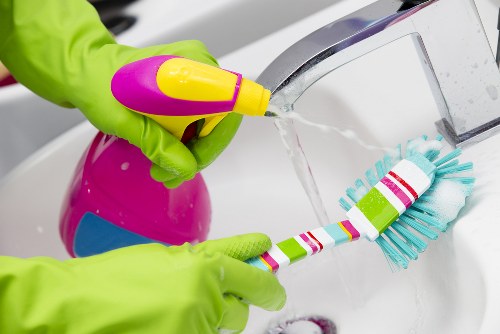
Kitchens and bathrooms are often the areas where a deep clean makes the biggest visible difference. In kitchens, build-up tends to collect around handles, appliance fronts, extractor areas, cupboard edges and worktop seams. In bathrooms, scale and residue can settle around taps, shower glass, tiles, basins and toilet surrounds. These spaces benefit from patient cleaning because the finish is often shaped by small details rather than by one broad sweep.
When these rooms are part of the job, it is useful to be clear about any appliances, fittings or problem areas that need special attention. A heavily used oven, for example, may require separate treatment from surrounding cabinet surfaces, and a shower enclosure may need a different approach from a tiled wall. If the room contains finished timber, polished metal or delicate sealant, those materials should be protected while the more stubborn deposits are tackled. The right sequence matters as much as the products used.
You can browse the more specific pages for related work, such as oven cleaner and oven cleaning for cooking equipment, or window cleaning where glass forms part of the overall brief. If the furniture or finishes in the room also need care, upholstery cleaning may be worth considering alongside the deep clean.
Domestic and office deep cleaning
Domestic deep cleaning usually centres on lived-in rooms, family routines and the practical demands of everyday spaces. Office deep cleaning has a different emphasis, with work surfaces, reception points, meeting rooms, kitchenettes and washrooms often taking priority. Both require a close eye for detail, but the exact order of work, the level of access needed and the most important surfaces can vary significantly between a home and a workplace. We can tailor the plan to that setting.
In office environments, the aim is often to restore a clean and orderly impression across areas used by staff, visitors or tenants. In homes, customers may be more focused on a complete refresh after a period of heavy use or limited maintenance. Either way, a thorough service should tackle the visible areas and the spots that tend to collect residue, dust and fingerprints. It should also respect occupancy, access rules and any surfaces that need a lighter touch.
If you need support for a working property, the pages for office cleaning, office cleaners and cleaning company may be helpful. For residential arrangements, house cleaning and domestic cleaning give a broader overview of the domestic side of the service.
About Canary Wharf
Canary Wharf is a major part of London’s Docklands, developed on the West India Docks in the eastern part of the Isle of Dogs. It is known for its dense cluster of tall commercial towers, waterfront walkways and transport connections, but its history begins much earlier, when the docks formed part of London’s wider maritime trade network. The area’s modern identity was shaped by large-scale redevelopment from the late twentieth century onwards, transforming former dockland into a business district with offices, shops, restaurants and public spaces. The surrounding waterways remain central to its character, with the docks, quays and canary-yellow accents of the estate giving the district a distinctive look. Canada Square, Cabot Square and Jubilee Park are among the most recognisable open spaces, while the underground and DLR stations make the district one of the best-connected parts of east London. The area also contains a mix of glass, steel and stone architecture that contrasts with the older warehouse fabric and residential pockets on the Isle of Dogs. Public art, waterside paths and retail arcades add to the sense of an urban district that is both commercial and pedestrian-friendly, with a strong emphasis on movement between towers, transport and the riverfront.
Domestic surface care and fabric cleaning options

Some properties need a deep clean that goes beyond hard surfaces and visible dust. Soft furnishings, rugs and carpets can hold odours, soil and everyday marks that are better addressed with separate treatment rather than folded into a general clean. That is why it often helps to decide early whether the job is mainly about kitchens, bathrooms and floors, or whether the brief should also include fabrics and upholstery. Separating those elements can lead to a more sensible plan and a more accurate quotation.
For homes and apartments with a mix of finishes, we can discuss the order in which the work should happen so the property is cleaned without unnecessary disruption. Some customers want the visible guest areas handled first, while others want the least-accessible spaces tackled before the main rooms. The exact scope will depend on what is present, what condition it is in and how much detail the surfaces require. That is especially important where there are fabrics, loose textiles or specialist floor coverings.
If you think fabrics need attention as well as the main clean, the pages for carpet cleaning, rug cleaning and sofa cleaning may be relevant. When you are ready, request a quotation and we can discuss the rooms, surfaces and level of detail that suit your property best.